
Is It A Bee, Wasp, Yellow Jacket, Or Hornet?

When it’s dive-bombing your picnic plate, you just want it gone. However, knowing which winged stinger you’re dealing with will help you react in the best way. We’ve put together a simple table to help you learn the key differences between bees, wasps, yellow jackets, and hornets.

Bee

Honey bee on yellow flower collecting pollen

Appearance

  • Darker golden yellow than wasps
  • Fatter, rounder bodies
  • Visibly furry or hairy
  • Alternating black & light brown bands on body

What they eat
Pollen and nectar from flowers

Temperament
Not aggressive

Benefit
Pollinate food crops

Nests
Made of wax, not paper

Stings
Have barbed stingers
Remove by scraping with a credit card or fingernail—squeezing will drive more venom into your body

Wasp

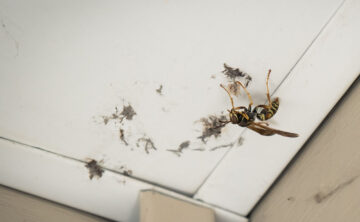
Paper Wasp building nest with hexagon pattern

Appearance

  • Yellow and black or mostly black
  • Long, slender body with dangling legs
  • Shiny; no visible hair

What they eat
Sugary food and drinks such as fruit, garbage, meat, and other human food

Temperament
Aggressive

Benefit
Prey on pest insects

Nests
Build small papery nests under eaves, roof overhangs, or tree limbs
May build nests inside an opening such as between roof beams or walls of a house

Stings
Will sting multiple times

Yellowjacket

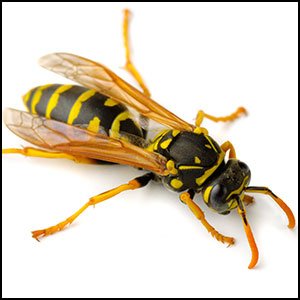
Yellow jacket on white background

Appearance

  • Brighter yellow than bees
  • Long, slender body, shorter than wasps
  • Shiny; little to no fur

What they eat
Sugary food and drinks such as fruit, garbage, meat, and other human food

Temperament
Yellow jackets are particularly aggressive in late summer and fall

Benefit
Prey on pest insects

Nests
Build small papery nests under eaves, roof overhangs, or tree limbs
May build nests inside an opening such as between roof beams or walls of a house

Stings
Will sting multiple times

Hornet

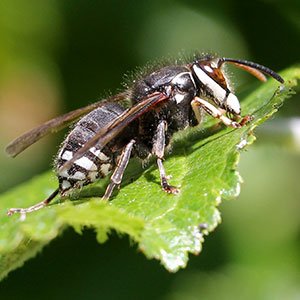
bald faced hornet on green leaf

Appearance

  • True hornets are not found in Minnesota
  • Bald-faced hornets are a type of yellow jacket with cream and white coloring

What they eat
Sugary food and drinks such as fruit, garbage, meat, and other human food

Temperament
Aggressive

Benefit
Prey on pest insects

Nests
Build small papery nests under eaves, roof overhangs, or tree limbs
May build nests inside an opening such as between roof beams or walls of a house

Stings
Will sting multiple times

Seven expert tips for stinging insects:

  1. Local beekeepers can help relocate honeybee colonies.
  2. Bees are round and furry. Wasps and yellow jackets are long, slender and shiny.
  3. If you see wasps or yellow jackets entering a small hole in the side of your home, it’s a sign that there is a nest that will need to be treated.
  4. Never seal a nesting site until you are certain there are no pests present—otherwise you risk driving them further into the home as they seek a way out.
  5. Wasps build nests in May and June. Take steps then to prevent them from nesting on your home.
  6. Yellow jackets are particularly aggressive in late summer and fall.
  7. Allergies to stings can range from mild discomfort or rash to life-threatening anaphylactic shock. Severe allergic reactions require emergency care.

Need help in the Twin Cities' metro to get rid of stinging insects?

Other items you may be interested in: